
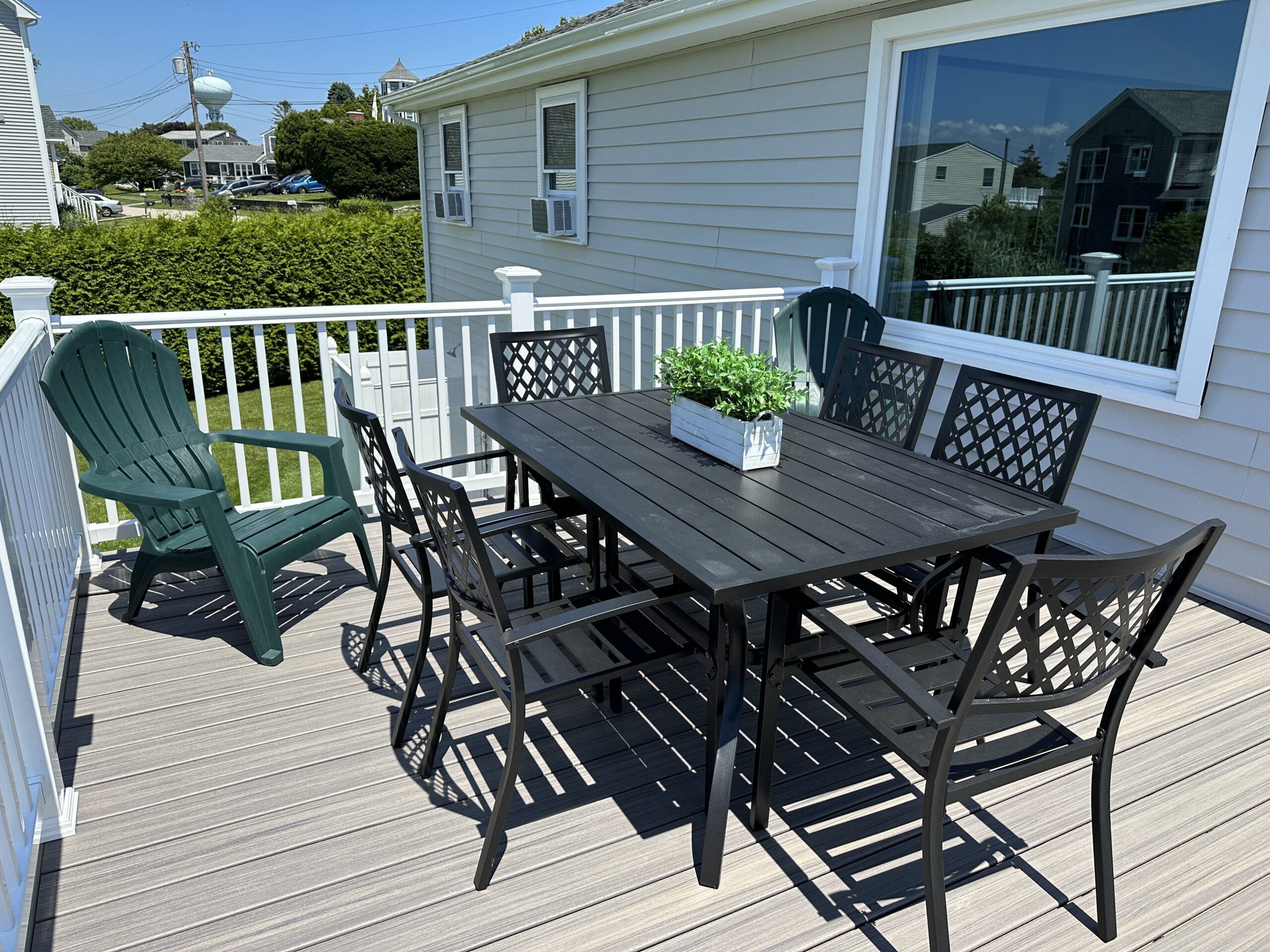
A well-built deck is more than just an extension of your home—it’s a place where memories are made. From family cookouts and backyard celebrations to quiet mornings with a cup of coffee, your deck serves as an outdoor living space that brings comfort, beauty, and value to your property.
Like any part of your home’s exterior, however, your deck is constantly exposed to the elements. Sun, rain, snow, fluctuating temperatures, and everyday use all take their toll over time. Without proper care, even the highest-quality deck can begin to show signs of wear, leading to costly repairs or premature replacement.
The good news is that regular maintenance and a few preventative measures can significantly extend the life of your deck. Whether your deck is made of pressure-treated lumber, cedar, composite decking, or another material, proper upkeep helps preserve its appearance, structural integrity, and safety for years to come.
In this guide, we’ll explore practical ways homeowners can maximize the lifespan of their deck and know when it’s time to call in the professionals.
Why Deck Maintenance Matters
Your deck is one of the most exposed structures on your property. Unlike indoor spaces, it faces constant exposure to:
- Rain and moisture
- Snow and ice
- UV rays
- Wind
- Temperature fluctuations
- Dirt and debris
- Heavy foot traffic
Over time, these conditions can cause wood to rot, fasteners to loosen, boards to warp, and finishes to fade. Routine maintenance isn’t just about appearance—it helps prevent structural damage, protects your investment, and ensures your deck remains a safe place for family and guests.
How Long Should a Deck Last?
The lifespan of a deck depends on the materials used, installation quality, local climate, and maintenance routine.
On average:
- Pressure-treated wood decks: 15–25 years
- Cedar or redwood decks: 20–30 years
- Composite decking: 25–50 years
While materials play a role, proper care is often the biggest factor in determining how long your deck will last.
1. Inspect Your Deck Every Spring and Fall
One of the simplest ways to extend the life of your deck is by performing regular inspections. Aim to inspect your deck at least twice a year—typically in the spring after winter weather and again in the fall before colder temperatures arrive.
Look for:
- Loose boards
- Raised nails or screws
- Cracked or split boards
- Rotting wood
- Wobbly railings
- Soft spots
- Sagging areas
- Rusted hardware
Catching small problems early often prevents larger, more expensive repairs later.
2. Keep Your Deck Clean
Leaves, dirt, pollen, and debris may seem harmless, but they trap moisture against your decking material.
Excess moisture can lead to:
- Mold
- Mildew
- Wood rot
- Staining
- Slippery surfaces
Cleaning Tips
Regularly:
- Sweep away leaves and debris.
- Remove dirt between deck boards.
- Trim back nearby vegetation.
- Rinse the deck periodically with a garden hose.
For deeper cleaning, use a deck-safe cleaner according to the manufacturer’s recommendations. A clean deck not only looks better but also dries faster after rain.
3. Wash Away Mold and Mildew Promptly
Moist environments encourage mold and mildew growth, especially in shaded areas.
If left untreated, mold can:
- Damage wood fibers
- Cause discoloration
- Create slippery walking surfaces
- Shorten your deck’s lifespan
Inspect your deck regularly for dark stains or green patches and clean affected areas promptly.
4. Seal or Stain Wood Decks Regularly
If your deck is made from natural wood, applying a protective finish is one of the most important maintenance tasks.
Sealants and stains help protect against:
- Moisture penetration
- UV damage
- Cracking
- Splitting
- Warping
Most wood decks benefit from resealing or restaining every two to three years, though the timeline may vary depending on exposure and product type. Composite decking generally doesn’t require sealing but should still be cleaned routinely.
5. Keep Water Flowing Away from Your Deck
Standing water is one of the biggest threats to any deck. Water trapped beneath boards or around support posts can accelerate deterioration.
Help water drain properly by:
- Keeping gaps between boards free of debris.
- Cleaning nearby gutters regularly.
- Ensuring downspouts direct water away from the deck.
- Maintaining proper grading around your home.
Managing moisture protects both your deck and your home’s foundation.
6. Protect Your Deck from Furniture Damage
Outdoor furniture can cause scratches, dents, and wear over time.
To minimize damage:
- Place protective pads under furniture legs.
- Avoid dragging heavy furniture.
- Move grills and planters occasionally to prevent uneven fading.
- Lift furniture instead of sliding it.
These simple habits help preserve your deck’s finish and appearance.
7. Trim Overhanging Trees and Shrubs
Trees provide welcome shade but can also create maintenance challenges.
Overhanging branches contribute to:
- Leaf buildup
- Moisture retention
- Falling limbs during storms
- Moss growth
Keeping branches trimmed improves sunlight and airflow, allowing your deck to dry more quickly after rain.
8. Remove Snow Carefully During Winter
In colder climates like New England, winter can be especially hard on decks. Heavy snow adds weight while repeated freeze-thaw cycles expose materials to moisture.
When removing snow:
- Use a plastic shovel instead of metal.
- Avoid sharp tools that may gouge decking.
- Remove snow in the direction of the deck boards.
Avoid using harsh de-icing chemicals unless they’re approved for your decking material.
9. Tighten Loose Hardware
Over time, everyday use and seasonal expansion and contraction can loosen fasteners.
Periodically inspect:
- Screws
- Nails
- Bolts
- Brackets
- Joist hangers
Replacing corroded or loose hardware helps maintain your deck’s structural stability.
10. Don’t Ignore Small Repairs
A single loose board may not seem urgent—but small problems rarely stay small.
Addressing issues early can prevent:
- Water intrusion
- Rot
- Structural damage
- Trip hazards
- Costly repairs
Prompt maintenance extends your deck’s lifespan while keeping it safe for everyone who uses it.
Common Mistakes That Shorten a Deck’s Life
Many homeowners unintentionally reduce the lifespan of their deck through avoidable mistakes.
- Skipping Routine Cleaning: Debris holds moisture and encourages mold growth.
- Waiting Too Long to Reseal: Unprotected wood absorbs water much more easily.
- Ignoring Structural Warning Signs: Loose railings or soft boards should never be overlooked.
- Pressure Washing Too Aggressively: Using excessive pressure can damage wood fibers and shorten the life of your deck.
- Allowing Water to Pool: Poor drainage accelerates deterioration.
Avoiding these common mistakes can help your deck last many years longer.
Wood vs. Composite: Maintenance Differences
Understanding your decking material helps determine the right maintenance routine.
Wood Decks
Require:
- Cleaning
- Sealing or staining
- Periodic inspections
- Moisture protection
Wood offers timeless beauty but requires more maintenance.
Composite Decks
Require:
- Occasional washing
- Routine inspections
- Minimal upkeep
Composite decking resists rot, insects, and fading better than traditional wood but still benefits from regular care.
When Is It Time to Repair or Replace?
Even with excellent maintenance, every deck eventually reaches the end of its service life.
Repairs May Be Enough If:
- Damage is isolated.
- Structural framing remains solid.
- Only a few boards need replacement.
- Railings require reinforcement.
Replacement May Be Necessary If:
- Rot is widespread.
- Support posts are failing.
- Framing is compromised.
- The deck no longer meets current safety standards.
- Repairs have become frequent and expensive.
A professional inspection can help determine the safest and most cost-effective solution.
Benefits of Regular Deck Maintenance
Routine care provides advantages beyond simply extending your deck’s lifespan.
You’ll also enjoy:
- Improved safety
- Better appearance
- Increased home value
- Lower repair costs
- Longer-lasting materials
- Greater enjoyment of your outdoor living space
A little maintenance each season goes a long way toward protecting your investment.
Why Professional Inspections Matter
Some deck issues develop beneath the surface and aren’t always obvious to homeowners.
Professional inspections can identify:
- Hidden rot
- Structural movement
- Loose connections
- Drainage problems
- Code-related concerns
Having your deck inspected periodically provides confidence that it’s safe for family and guests.
Final Thoughts: Protect Your Investment for Years to Come
Your deck is an important part of your home’s outdoor living space, and with the right care, it can provide decades of enjoyment. Regular inspections, routine cleaning, moisture protection, and prompt repairs all play an important role in extending its lifespan.
Whether your deck is a few years old or has been part of your home for decades, preventative maintenance is always more affordable than major repairs or premature replacement.
By making deck care part of your regular home maintenance routine, you’ll protect your investment, improve safety, and keep your outdoor space looking its best season after season.
Ready to repair, upgrade, or replace your deck?
The experienced team at AEM Home Services can inspect your deck, recommend the right solution, and provide expert repairs or replacement services to help you enjoy your outdoor space with confidence.
Contact AEM today for a free estimate!